Confidence in Every Breeding Decision: South African Farmers Experience the Solnua Story
Every breeding decision helps shape a herd for years to come.
Unlike many investments on a dairy farm, the genetics chosen for a calf cannot be changed once that calf is born. The decisions farmers make today can influence fertility, efficiency, profitability and herd performance for generations.
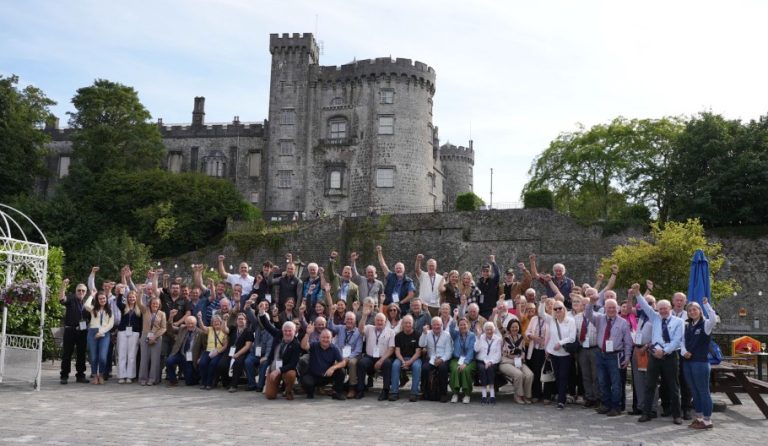
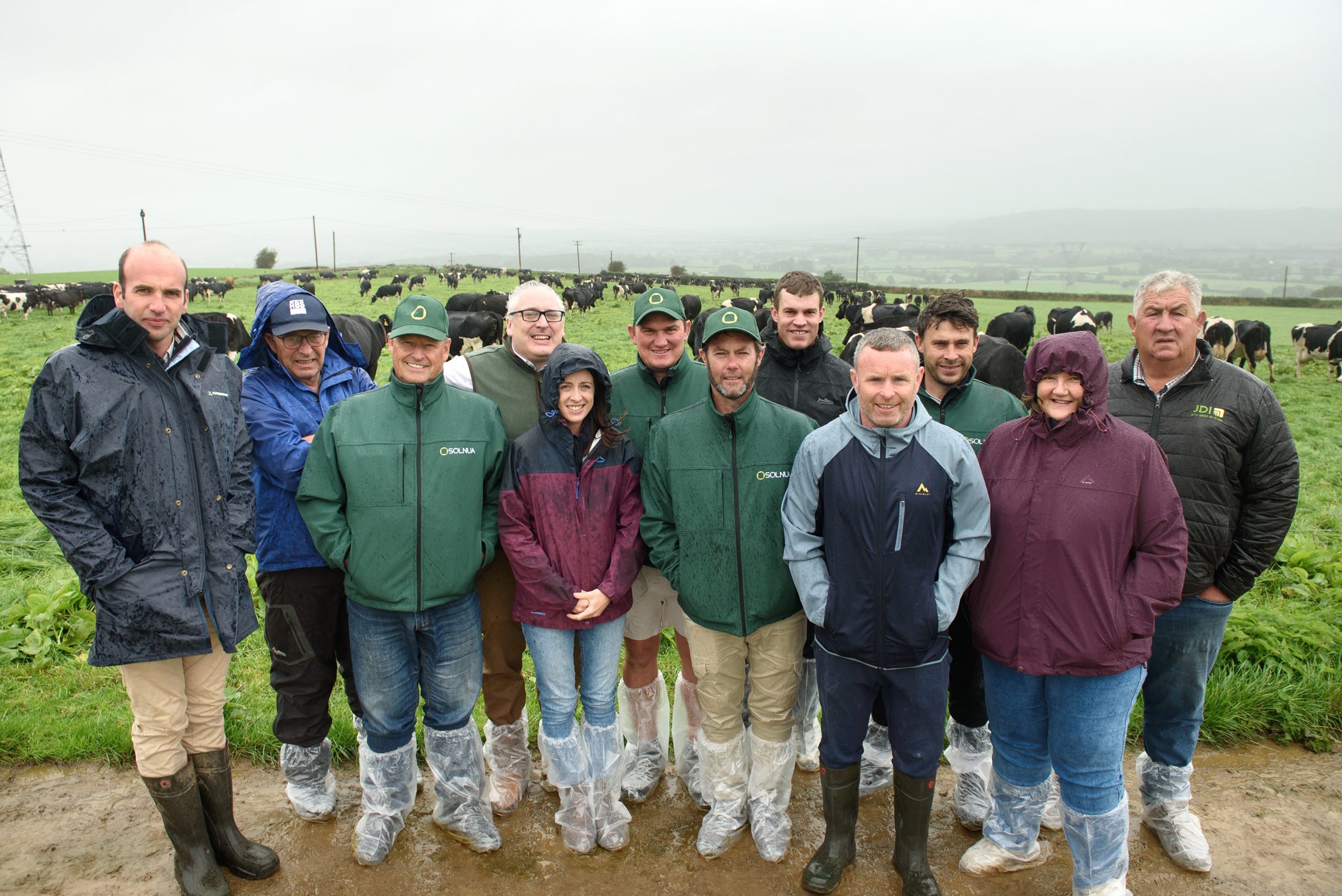
That was the thinking behind a recent visit to Ireland by a group of South African dairy farmers and their ABS breeding advisors. Most had only recently started using Solnua genetics in their herds. The aim of the tour was to meet the people behind the programme and see the farms, research and partnerships that support their breeding decisions.
Organised in partnership with ABS South Africa, the week combined farm visits, industry meetings, research insights and technical discussions. It provided an opportunity to see how data is gathered, how research informs decisions and how genetics perform in commercial farming systems. More importantly, it allowed the group to meet the people behind the programme and understand the thinking that drives continued genetic progress in Ireland.
Seeing the Bigger Picture
Throughout the week, the group engaged with many of the Organisations that underpin Ireland’s breeding industry.
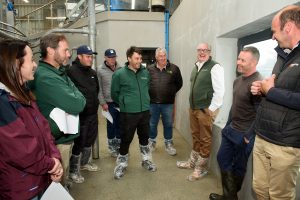
One of those discussions came with Doreen Corridan, CEO of Solnua and NCBC (pictured above) who outlined how NCBC works alongside commercial farmers, pedigree breeders, Teagasc, the Irish Cattle Breeding Federation (ICBF), universities, milk processors and other industry partners to support genetic improvement across both dairy and beef sectors.
The scale of that collaboration stood out. Genetic progress in Ireland depends on farmers recording data, researchers testing ideas, breeding programmes evaluating performance and industry partners working towards shared goals.
For the visitors, this offered a broader view of the programme behind the bulls they had recently chosen. The discussion moved beyond individual sires to the data, collaboration and farm performance that help inform breeding decisions.
As South African dairy farmer Ross Stratford reflected:
“They treated genetic improvement as free, permanent, compounding infrastructure and then actually built the machinery to capture that compounding at a whole-country scale.”
The visit helped demonstrate how long-term commitment to recording, research and farmer participation has enabled Ireland to develop one of the world’s most successful national breeding programmes.
Where Genetics Meet Reality
The best way to understand a breeding programme is to see how it works on farms.
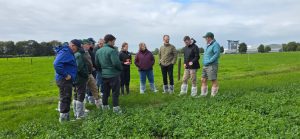
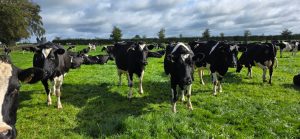
During the week, the group visited a range of dairy enterprises, from the 1,450-cow Tallon Farm to family-run businesses focused on breeding elite genetics.
A highlight was the visit to Tom and David Fennelly’s farm, where the group met the family behind internationally recognised sire Tinnakill Grandslam and saw first-hand the environment in which he was bred.
Visits to the farms of Loughlin Russell, David Russell, Tom Power and Eamonn Coughlan brought a range of perspectives. While the farms differed in scale and management style, they shared clear breeding objectives and a strong focus on fertility, efficiency and milk solids production.
For South African farmer Craig Orpwood, the quality and consistency of the cattle was a key takeaway:
“What surprised me most was the quality of the cows and how well run and efficient the farms were, regardless of size.”
It was a reminder that breeding decisions matter most where they are put into practice: on farms and within the systems farmers manage every day.
One lighter moment came at Aidan McGrath’s farm, when the group discovered that the herd manager was originally from South Africa. Ireland and South Africa may be thousands of miles apart, but dairy farmers often face similar questions about fertility, efficiency and the future direction of their herds.
Research That Stays Grounded
The tour also gave the group an opportunity to learn about the research and knowledge-sharing systems that support Irish farming.
At Teagasc Grange, Joe Patton, Head of Dairy Knowledge Transfer, connected Irish research with the experiences of the South African farmers. Rather than simply presenting information, he encouraged comparisons between systems and explored where lessons from Ireland might be useful elsewhere.
The group also heard from Jamie O’Driscoll about dairy-beef research. As farmers look to get more value from every calf born, the discussion demonstrated how breeding decisions can contribute positively across both dairy and beef systems.
For South African farmer Eric Lombard, the visit reinforced the importance of breeding for functional profitability:
“By using Irish genetics I can breed a cow that is fertile, has walking ability, grazing capability and all of that is genomically tested. Fertility is everything.”
These sessions reflected a theme that ran throughout the week: research is most valuable when it remains closely connected to the realities of commercial farming.
Built on Data, Proven on Farms
A technical day at Teagasc Moorepark brought together presentations from Padraig French, Emily Sitko, Caitlin Looney, Donagh Berry and Ciara Carroll.
Donagh Berry’s session on genetics was a particular highlight. His explanation of how performance recording, genomics and commercial farm data work together in Ireland’s breeding programme generated significant discussion and built upon many of the themes the group had observed during farm visits throughout the week.
The sessions highlighted an important point: confidence in breeding decisions comes from more than a single bull selection. It is built on research, performance recording and the experience of commercial farms over time.
A Bit of Learning and a Lot of Enjoyment
The visit wasn’t all presentations and farm walks.
The group also experienced some of Ireland’s best-known attractions, including the National Ploughing Championships, the Rock of Cashel and the Irish National Stud. The week concluded with traditional music, dancing and Irish hospitality at the Merry Ploughboy.
There were plenty of laughs, along with lively discussions about grassland management, fertility and breeding strategy. There was also ongoing debate about whether Murphy’s, Beamish or Guinness deserved top billing. The verdict remains unresolved.
One of the most rewarding aspects of the visit was seeing how engaged the group remained throughout. Whether standing in a collecting yard, touring a research centre, travelling between farms or talking over dinner, conversations continued and questions kept coming.
That curiosity and willingness to learn are important drivers of progress on dairy farms, wherever they are in the world.
Breeding Better Futures
By the end of the week, the group had seen more than farms, research centres and presentations. They had met farmers breeding elite genetics, researchers generating new knowledge and organisations working together to turn data into better breeding decisions.
They also left with a deeper understanding of the programme behind the Solnua genetics they had recently introduced into their herds and a clearer sense of how those decisions could support their future breeding goals.
At Solnua, we believe confidence comes from proof, performance and a clear understanding of the programme behind every breeding decision.
We would like to thank ABS South Africa and the participating farmers for their enthusiasm, engagement and openness throughout the week. We would also like to acknowledge our shareholders, Munster Bovine and Progressive Genetics, whose continued support and investment help drive the ongoing development of world-class Irish dairy and beef genetics.
It was a pleasure to welcome the South African farmers to Ireland and share the people, partnerships and experience behind the Solnua story.
Breeding decisions help shape herds for generations. Confidence in those decisions is where better futures begin.
Ready to Review Your Herd’s Breeding Strategy?
Talk to your ABS advisor about how Solnua genetics could support your farm’s breeding goals and future profitability.